





A Country Plunged into Darkness
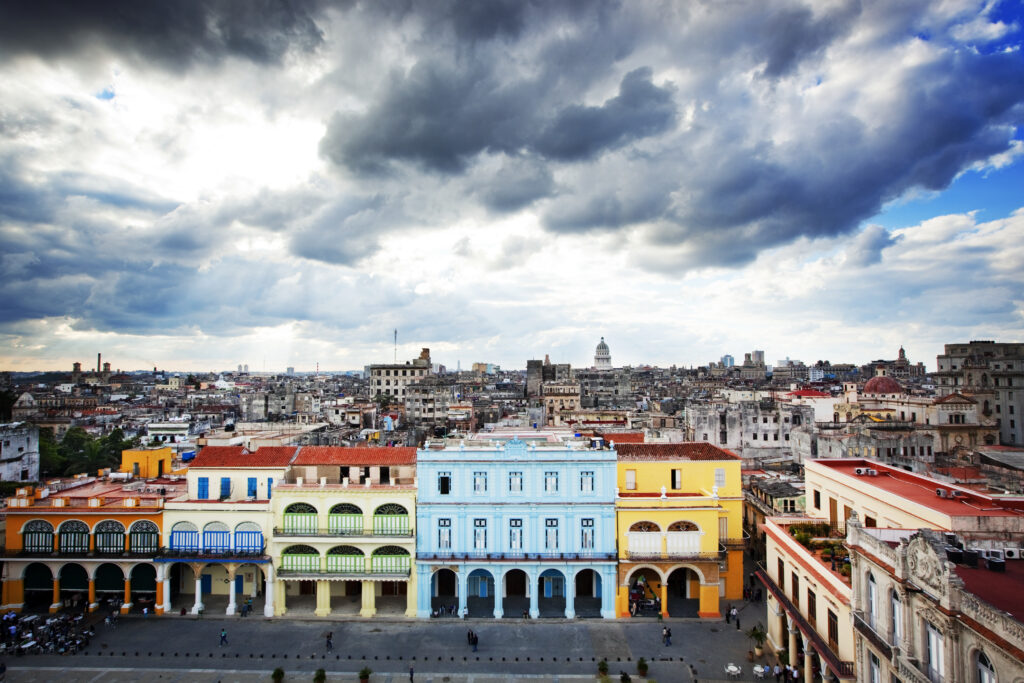
For several months now, Cuba has been experiencing power outages on an unprecedented scale, regularly reported by local authorities and media. Throughout 2025 and into early 2026, vast regions of the island were affected by failures in the national grid, leading to rolling blackouts that could last several hours a day in some areas. In some provinces, electricity cuts have reportedly lasted for more than ten hours a day, severely affecting daily life, transportation, and economic activity.
Cuba’s power system relies largely on aging thermal power plants. Many observers point out that these plants suffer from a chronic lack of maintenance and spare parts. Several are operating beyond their theoretical lifespan, which increases the vulnerability of the entire grid. Energy specialists have repeatedly warned that decades of underinvestment in infrastructure have left the national electrical system increasingly fragile and prone to large-scale failures.
The energy crisis has worsened as imported oil has become scarcer. Cuba produces only a limited amount of its own crude oil, which is insufficient to meet its needs. The country is therefore heavily dependent on imports, particularly from partners such as Venezuela, whose export capacity has declined in recent years. Rising fuel prices on international markets and Cuba’s shortage of foreign currency have further complicated the government’s ability to secure sufficient energy supplies.
U.S. Sanctions at the Heart of the Tensions
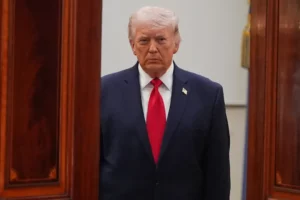
The Cuban government attributes the worsening situation largely to U.S. sanctions. The United States maintains a set of economic and financial restrictions that complicate international transactions, particularly in the energy sector. Cuban authorities argue that these restrictions limit the country’s ability to purchase fuel, access international banking systems, and modernize key infrastructure.
Cuban authorities denounce a “blockade” with major economic and social consequences. For their part, the United States justifies this policy by its desire to pressure the Cuban regime on human rights and political freedoms. Several United Nations bodies have, on various occasions, expressed concern about the humanitarian effects of the sanctions and the economic crisis in Cuba. However, many economists and analysts also point to internal structural inefficiencies, low productivity, and bureaucratic rigidity as significant factors contributing to the current situation.
A Paralyzed Economy
The energy crisis is hitting an economy already severely weakened by structural imbalances, the impact of the COVID-19 pandemic, and declining foreign exchange earnings. Public transportation is operating at reduced capacity, some school activities are disrupted, and hospital infrastructure may be compromised by power outages. In certain regions, electricity shortages have also disrupted access to drinking water, as many homes and apartment buildings rely on electric pumps.
Tourism, a key sector for foreign exchange earnings, is struggling to fully recover to its pre-pandemic levels. At the same time, high inflation, food shortages, and a lack of medicines are taking a heavy toll on the population. Power outages also complicate water supply in many homes that rely on electric pumps. Long queues for basic goods such as bread, rice, and cooking oil have become increasingly common, while shortages of medicine continue to affect hospitals and pharmacies across the island.
The Cuban government is attempting to limit the effects of the crisis by securing occasional fuel shipments and developing renewable energy capacity, particularly solar power, which remains insufficient in the short term to offset structural deficits. Authorities have announced several solar energy projects in recent years, hoping to gradually reduce dependence on imported fossil fuels and stabilize the national grid over the long term.
Social Unrest and Exodus
The deterioration of living conditions is fueling growing discontent, as documented by local observers and monitoring organizations. Sporadic protests have been reported in several cities in recent months, although their scale and frequency vary depending on the time period and the source. While these demonstrations remain smaller than the historic protests of July 2021, they nonetheless reflect growing frustration over inflation, shortages, and recurring blackouts.
At the same time, Cuba has been experiencing a particularly significant wave of migration since the early 2020s. According to U.S. data, several hundred thousand Cubans have left the island, mainly for the United States, but also for other Latin American countries and, to a lesser extent, for Europe. Many young Cubans increasingly view emigration as one of the only ways to escape deteriorating living conditions and limited economic opportunities.
For many analysts, the current situation stems from a combination of factors: the impact of U.S. sanctions, dependence on foreign energy, and internal structural weaknesses linked to the economic model and the state of infrastructure—though this does not necessarily point to a political breakdown in the short term. Some observers have compared the current difficulties to Cuba’s “Special Period” of the 1990s, when the collapse of the Soviet Union triggered severe shortages and economic hardship throughout the island.
Despite the severity of the crisis, the Cuban government continues to emphasize national resilience and social stability. Nevertheless, as blackouts persist and economic pressures intensify, uncertainty remains over the country’s ability to stabilize the situation without implementing significant economic reforms.

