






An investigation launched in 2025 into the platform’s operations
A preliminary investigation was opened in January 2025 by the Paris Public Prosecutor’s Office following reports received on January 12, notably from Member of Parliament Éric Bothorel. It targets X (formerly Twitter), owned by Elon Musk.
The inquiry focuses on the platform’s recommendation algorithm. Authorities suspect possible tampering with an automated data processing system under Article 323-2 of the Penal Code, as well as fraudulent data extraction and potential violations of French law. Technical inquiries are being conducted by Section J3 (Cybercrime). At this stage, no definitive conclusions have been made public, and authorities continue to assess whether any technical or organizational mechanisms may be in breach of the law.
As the case progressed, its scope expanded. In November 2025, it was extended to include Grok, an artificial intelligence tool developed by xAI and integrated into X, following the dissemination of Holocaust-denying content. This development falls within the framework of the initial investigation and does not constitute a separate proceeding.
Authorities are also examining potential illegal content on the platform, such as child sexual abuse material (CSAM) and sexual deepfakes, in light of digital service providers’ obligations regarding content moderation. These elements remain under review, with no legal proceedings initiated to date.
In this context, X’s offices in France were subject to searches in February 2026. Several company executives were interviewed as witnesses during the week of April 20–24, 2026, in order to clarify the platform’s internal organization and decision-making processes. X had previously refused, in July 2025, to disclose details of its algorithm to French authorities, denouncing what it described as political interference.
Elon Musk and Linda Yaccarino summoned for informal hearing
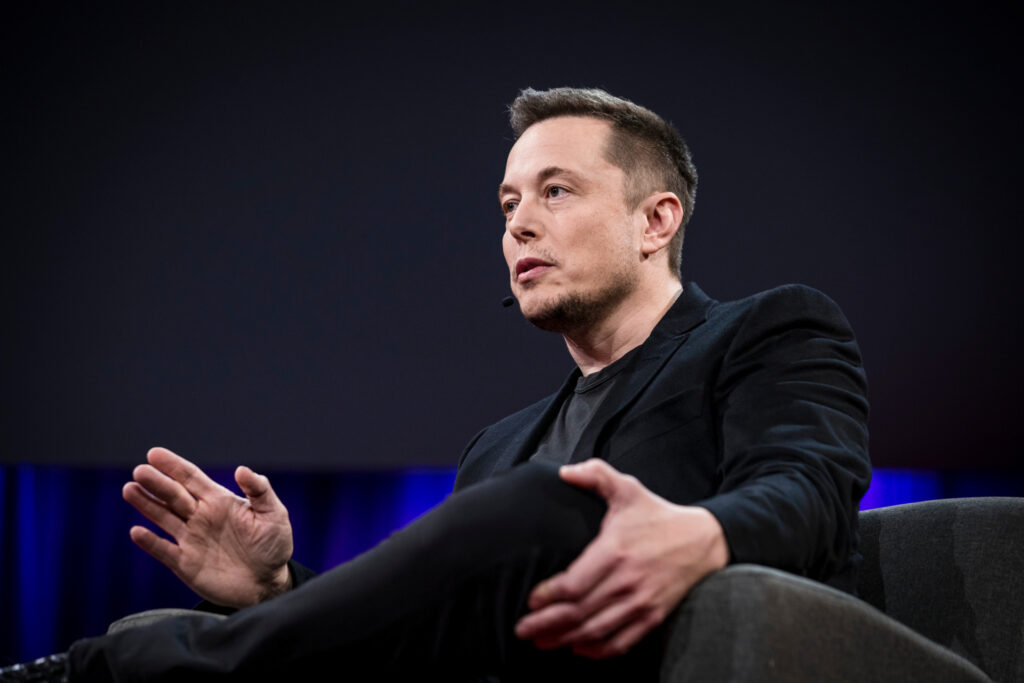
Elon Musk and Linda Yaccarino, former CEO of X, were summoned to appear in Paris on April 20, 2026, for questioning by the Paris Public Prosecutor’s Office, in their respective roles as current and former executives of the platform at the time of the events. This type of summons allows authorities to question individuals without immediate legal coercion.
Neither appeared at the hearing. According to public statements reported by several media outlets, Elon Musk denounced what he described as a “political attack” targeting his company. The prosecutor’s office noted their absence, specifying that it does not hinder the ongoing inquiry.
These hearings are part of a broader series of investigative actions carried out since early 2026, including searches of company premises and interviews with employees.
A regulatory challenge
Beyond the individuals involved, this case reflects a broader effort to regulate major digital platforms in France and across Europe. Authorities are increasing oversight of online services, particularly regarding transparency, content moderation, and user protection. The situation highlights the challenges governments face when dealing with global actors whose infrastructure and decision-making centers are largely located outside their jurisdictions.
The investigation also unfolds within a changing regulatory framework, notably marked by the implementation of the European Digital Services Act. The European Commission issued requests for information in January 2025 regarding X’s algorithm. This was followed by a €120 million fine in December 2025 for breaches related to misleading verification badges, advertising transparency, and access to data for researchers. The sanction was welcomed by the French regulator Arcom.
At this stage, the inquiry remains ongoing, with no public judicial timeline. Authorities have not yet determined whether sufficient evidence exists to establish violations and initiate formal proceedings.
In the coming months, the evolution of the case will be closely watched both in France and at the European level. It may set a precedent for how national authorities can investigate and potentially sanction global digital platforms whose operations rely on complex and often opaque algorithmic systems. Beyond the specific allegations, the outcome of this inquiry could help clarify the extent to which platforms are required to cooperate with regulators and disclose key aspects of their technological infrastructure.
While no charges have been brought at this stage, the case reflects growing tensions between public authorities and major technology companies over issues of transparency, accountability, and regulatory oversight. As the investigation continues, it may contribute to redefining the balance of power between states and global digital platforms in the years to come.

